One Month to Go: 10 Key Questions as World Cup Draws Near
The 2026 FIFA World Cup gets underway on June 11 in Mexico City
Posted On: May 12, 2026 By :This year’s FIFA World Cup will be the largest ever. It will cover the most ground (being hosted by three countries). It will feature the most teams (48, up from 32). It will have the most games (104, up from 64).
And it’s nearly here.
Eight years after the United bid from the U.S., Canada and Mexico won the right to host the Cup, the event is finally just one month away. The first Men’s FIFA World Cup to take place in North America since the U.S. hosted solo in 1994 promises to be a seismic event for sports-related travel in the United States, Canada and Mexico.
The tournament kicks off with the opening game between Mexico and South Africa in Mexico City on June 11, and the first game in the U.S. will be held the next day with the USMNT facing Paraguay at SoFi Stadium outside Los Angeles. SportsTravel is covering all of the major stories before and during the tournament via our World Cup Tracker. Managing Editor Ted Keith will also be on the ground during the tournament as soccer’s showpiece comes to America.
There are also plenty of issues to be addressed before the 23rd edition of the competition begins. Here are the 10 big talking points a month out from the 2026 FIFA World Cup:
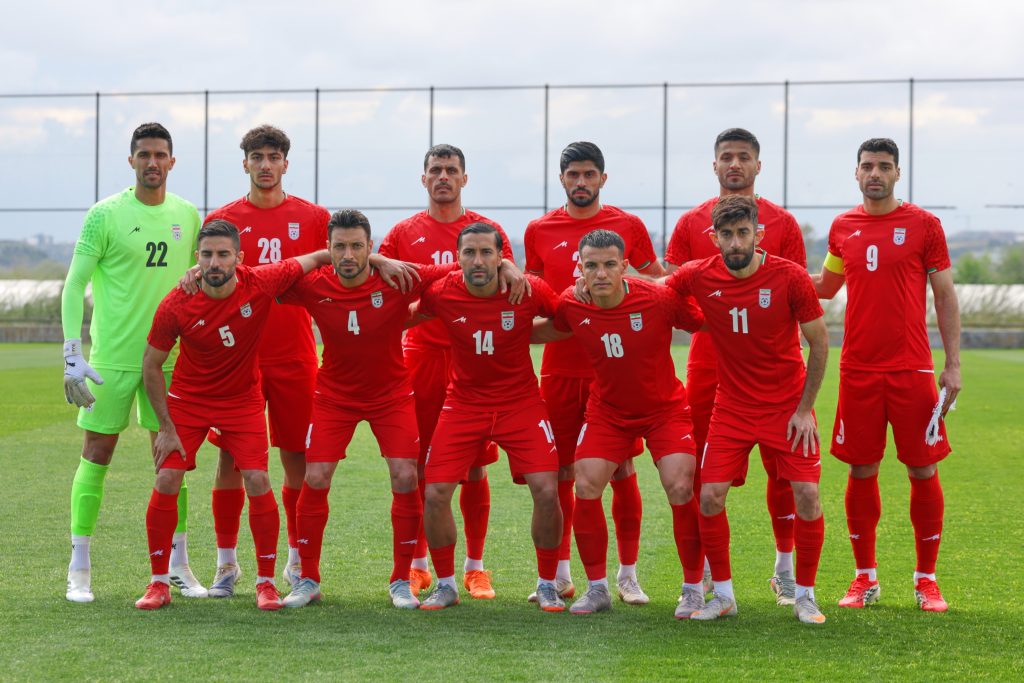
Iran’s Participation
Perhaps the most glaring issue right now surrounds Iran’s participation in the World Cup, given the current geopolitical tensions with the United States. It came after Iranian Sports Minister Ahmad Donyamali told state media in March that “under no circumstances can we participate in the World Cup.”
The Iranian National Federation has confirmed that it is keen that its national team competes in the tournament, but only if an ultimatum of 10 conditions is fulfilled. These conditions include guaranteed visas for all players and staff; respect for the Iranian delegation; respect for the official flag of the Islamic Republic and its national anthem; and maximum security for the team at airports, hotels, team routes and the training facility.
Should Iran withdraw from Group G, it has been threatened with disciplinary action and a potential multi-tournament ban. No national team has withdrawn from the Men’s FIFA World Cup since 1950 when Türkiye, Scotland, France and India all quit before a ball had even been kicked for a variety of reasons.
Extreme Weather Conditions
The weather conditions at last year’s expanded FIFA Club World Cup raised major concerns for organizers ahead of this summer’s event. In total, six matches in 2025 were halted due to unpredictable weather patterns including thunderstorms in cities such as Orlando and Cincinnati, with delays ranging from 40 minutes to two-and-a-half hours, and FIFA is keen that games do not overlap (apart from concurrent final group stage matches) due to broadcasting exposure.
On top of that, players struggled with temperatures exceeding 90 degrees Fahrenheit, high humidity and even poor air quality where some local wildfires were being contained nearby.
FIFA is trying to mitigate these risks by requiring mandatory, three-minute cooling breaks in each half (regardless of temperatures) as part of its “commitment to player welfare.” However, the issue remains that host cities in the south and southwest of the United States are increasingly susceptible to extreme temperatures and only three of the 11 U.S. venues have retractable roofs (Atlanta, Houston and Dallas).
Match Ticket Prices
Every four years, soccer fans from around the world make the pilgrimage to the FIFA World Cup to support their national teams, but the surging cost of match tickets in 2026 is pricing many fans out and leaving fears that empty seats will be commonplace in the stadiums.
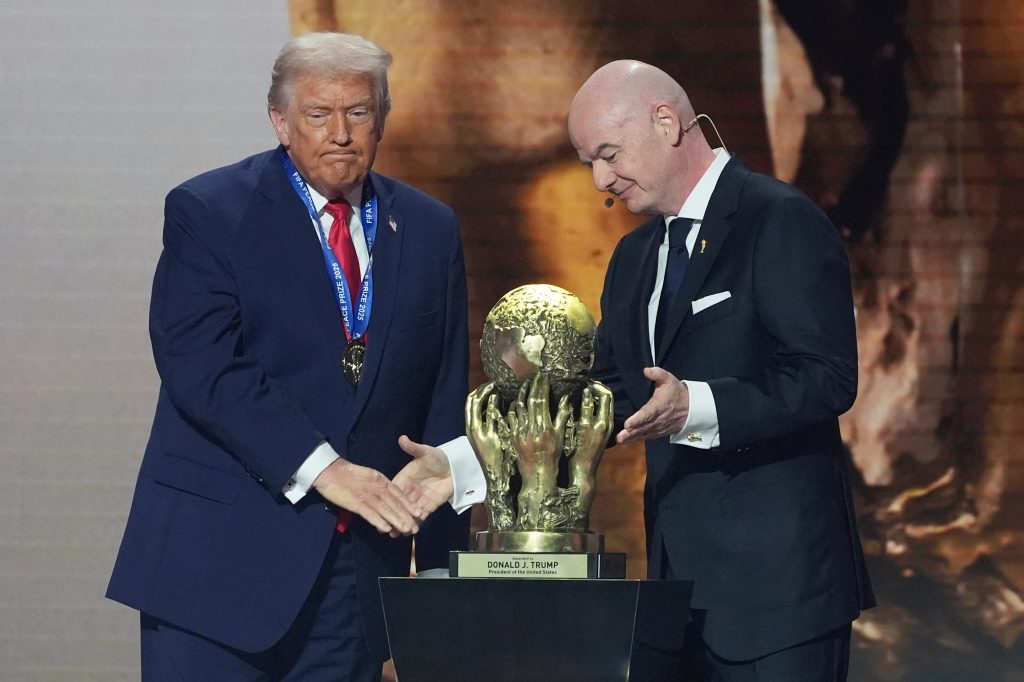
FIFA President Gianni Infantino has defended the skyrocketing prices of match tickets — including some more than three times higher than in the group stages in Qatar in 2022 and 10 times higher than the final — as the association simply pricing according to the U.S. market rate and the demand for major sports events. It is the first time that FIFA has employed dynamic pricing on its ticketing site to react to fluctuations in demand and allowed an official resale platform to sell third-party tickets, further elevating the cost of tickets.
The most expensive tickets found so far on resale platforms have exceeded $11 million, including for matches involving Colombia vs. Portugal in the group stage and the FIFA World Cup Final in New York, New Jersey, on July 19.
Transportation
Soccer fans have taken to social media to complain about “exorbitant” costs of public transportation getting to and from World Cup venues, especially given the fact that parking costs at stadiums have also been increased significantly and walking to some venues can be considered illegal.
In two such cases, the Boston Massachusetts Bay Transportation Authority (MBTA) and NJ Transit (New Jersey) came under fire for hiking regular return tickets between downtown locations to World Cup venues from $20 to $80 and $12.90 to more than $100 respectively. In contrast, cities like Philadelphia, Kansas City, Atlanta, Houston and Los Angeles are promoting standard rates, or at least more affordable public transportation options.
Cities are justifying these price hikes based on factors such as high demand, increased security and the requirement to operate higher-frequency express services during the tournament. In Boston, local organizers say they have received no subsidy funds from FIFA for transport, requiring the MBTA to foot the bill itself, while station enhancements ahead of the World Cup also have to be covered.
Visa Restrictions
As part of President Donald Trump’s immigration crackdown, the processing of immigrant visas for citizens of 18 World Cup-qualified nations was suspended. Fans from Algeria, Bosnia-Herzegovina, Brazil, Cape Verde, Colombia, Democratic Republic of Congo (Congo DR), Egypt, Ghana, Haiti, Iran, Iraq, Ivory Coast, Jordan, Morocco, Senegal, Tunisia, Uruguay and Uzbekistan may not be able to attend as a result of Trump’s directive against nationalities that pose a “high risk of U.S. public benefits reliance.”
For those fans who are able to travel from abroad, tourists are set to be required to hand over five years of their social media account history to crack down on “anti-American” visitors. Meanwhile, a study conducted by GSIQ Tourism Insights with the U.S. Travel Association in April highlighted that 34 percent of respondents were concerned about higher visa application fees.
Strike Action
UNITE HERE Local 11, a trade union representing 32,000 hospitality workers in California and Arizona, said that 2,000 employees at the SoFi Stadium in Inglewood, California, including cooks, bartenders and servers, could be forced to go on strike due to concerns about the potential presence of Immigration and Customs Enforcement (ICE) agents and the use of subcontractors at the venue who are allegedly working without labor contracts.
The union outlined several major demands to FIFA and SoFi Stadium owner Kroenke Sports & Entertainment: a public commitment that ICE and Border Patrol agents will not be present at the tournament; protection for union jobs; and suitable working conditions and affordable housing support for hospitality workers.
SoFi Stadium is scheduled to host eight games at the World Cup, including the opening game for the U.S. Men’s National Team against Paraguay on June 12.
Geographical Footprint
The unprecedented number of qualified teams and geographical footprint has added an extra layer of complexity to this World Cup. The tournament will use 16 host cities across three host countries for the first time, include 40 more matches and accommodate an additional 16 national teams (up to 48) who will need to have their own base camps, accommodation and travel arrangements between matches.
As well as the operational logistics, this World Cup is unsurprisingly projected to be the most carbon-intensive to date. Emissions are projected to exceed nine million tons of carbon dioxide — more than quadruple the figure from some previous tournaments.
FIFA Fan Festivals
For many, FIFA Fan Festivals and other activations have always been a staple of a FIFA World Cup and expectations were high heading into 2026.
However, while the majority of host cities are organizing Fan Festivals at least for part of the tournament’s duration, organizers in destinations such as Washington (not a World Cup venue) and New Jersey have reportedly been cutting back their plans due to cost concerns.
A Fan Festival in Liberty State Park in Jersey City was said to have been canceled with just four months to go, although organizers may look to find other locations with a reduced capacity or stripped-back format. In large markets, expenses for events like Fan Festivals can often fall on local governments, while neither FIFA nor its sponsors can always provide much in terms of financial support.
Accommodation Impact
Almost 80 percent of U.S. hoteliers in the 11 FIFA World Cup host cities this summer said that their hotel bookings were tracking below initial forecasts, according to a survey of the American Hotel & Lodging Association’s (AHLA) 30,000-plus members.
Some hoteliers described the tournament’s impact as a “non-event” for the summer months, while only a quarter of the survey’s respondents reported seeing a “meaningful incremental lift.”
The AHLA report identified five key challenges that the U.S. hotel industry is facing in the lead-up to the World Cup: new taxes and fees; international perception of visa delays; TSA wait times and funding uncertainty; room block cancellations; and increased gas and jet fuel prices.
Players Changing Nations
It is common to see players switch nations ahead of major soccer tournaments as they try to force their way into the final 26-man squads, which are being announced over the coming weeks.
The most recent nationality changes are Ange-Yoan Bonny (France to Ivory Coast), Yuri Aleksander Guboglo (Haiti to Canada), Ermin Mahmic (Austria to Bosnia-Herzegovina), Vildan Kardesler (Germany to Türkiye), Milica Denda (Serbia to Bosnia-Herzegovina), Ahmed Ihab Ahmed (Sweden to Iraq) and Dario Felix Naamo (Finland to Iraq). Ajax’ Jorthy Mokio is also set to switch from Belgium to the Democratic Republic of Congo.
In certain cases, players may have been waiting to see if their prospective nation would qualify for the FIFA World Cup or they may have been persuaded to change after discussions with international associations. Players can also switch due to heritage ties or holding citizenship of the new country, if they have played no more than three competitive senior matches for their nation, and if they have not played in the final stage of an official competition (such as the World Cup).
Posted in: 2026 FIFA World Cup, Hosts & Suppliers, Latest News, Main Feature, Sites & Venues, Soccer, Sponsors & Media, Sports Organizations, Sports Venues