
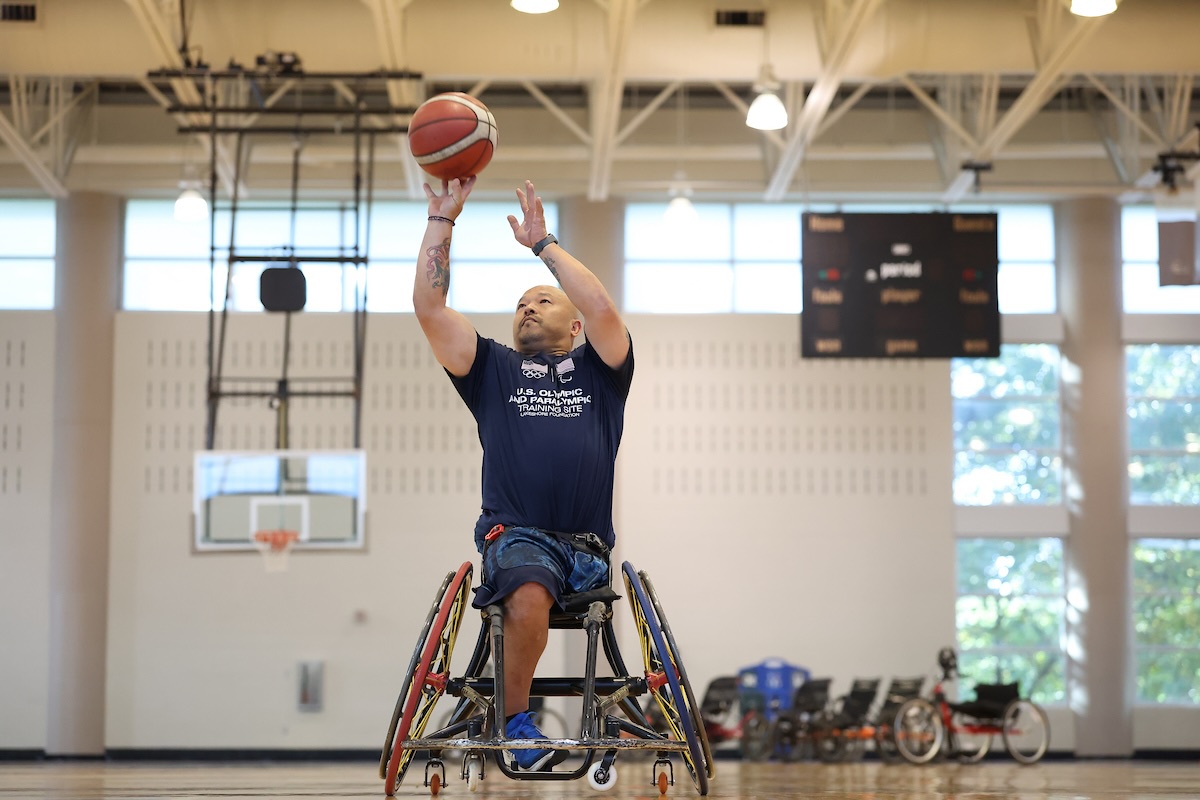
The adapted sport industry is continuing to grow, driving an estimated $199.4 million in economic impact last year, per the latest Adapted Sport Economic Impact Study.
The study, which was conducted by All In Sport Consulting in partnership with Stitch Marketing Research and Huddle Up Group, illustrated a 22% increase from the figure in 2024.
The Adapted Sport Impact Study includes economic figures as well as survey data. The figures are based on 282 hosted adapted sport events and 106,337 adapted sport event participants, which includes athletes, coaches and others involved in adapted sport events.
Survey results reflected a positive outlook for the adapted sport industry, which leaders in the space expect to gain momentum in anticipation of the 2028 Summer Paralympics in Los Angeles:
- 86% of survey respondents anticipate adapted sport program hours to increase through 2027
- 75% of respondents expect some level of increased participation in their programs and events driven by the 2028 Paralympics
- 71% of respondents expect adapted sport revenue growth to continue in 2026
- 0% of respondents expect any significant adapted sport program hour decreases in 2026
“This year’s study shows continued strong, positive growth for the industry,” said Dawna Callahan, founder and CEO of All In Sport Consulting. “It’s clear that the adapted sport industry continues to thrive in the U.S.”
Industry Leaders Discuss Hosting Disability-Inclusive Events at TEAMS ’26
Callahan hosted a panel at this year’s TEAMS Conference & Expo in Birmingham, Alabama, on “Becoming a Destination of Choice for Disability-Inclusive Events.” In the discussion, Callahan and four panelists shared insights on the business case for hosting adapted sport events, how destinations should approach hosting adapted sport events and their hopes for the future of the industry.
Josslyn Bigelow, president and chair of the United Adaptive Soccer Association, has worked in disability advocacy and inclusive programming for more than 13 years. She acknowledged that some destinations may feel like they’re not ready to host adapted sport events, but she encouraged opening up conversations with candor.
“There is a massive business case to bring adaptive sports to your destination,” Bigelow said. “For those of you that are brave and bold enough to admit that it’s intimidating, you feel ill-prepared, you might not be ready, we appreciate that level of honesty. However, we’re also willing to work with you. Vibes are a great part of the relationship building, and if we feel like we’re working with a partner that is ready and willing to listen, ask questions, and not assume, that makes a big difference.”
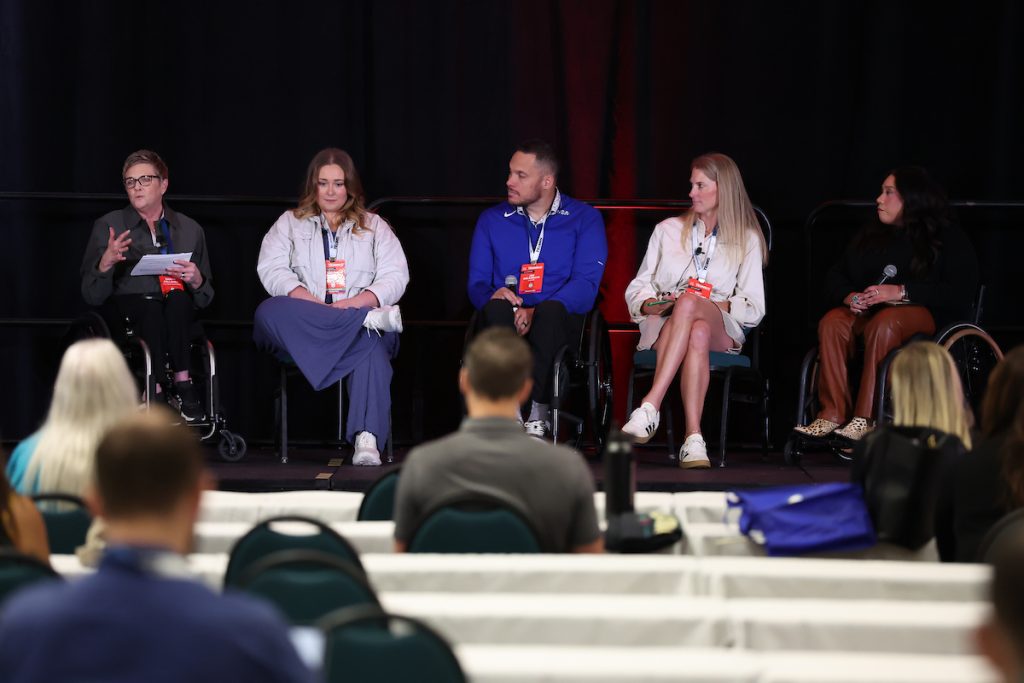
Joe Delagrave, two-time Paralympic medalist in wheelchair rugby and current head coach of USA Wheelchair Rugby, added that complying with the Americans with Disabilities Act is just part of what destinations should prioritize when considering adapted sport events. The other part Delagrave emphasized: Human compassion.
“It goes back to having the conversation — a two-way street on this whole thing, what population you’re working with,” he said. “For me, I’m a quadriplegic, and that’s my lived experience. But whether it’s the blind community, whether it’s wheelchairs, whether it’s hidden disabilities, and autism awareness, or whatever it would be, I think the biggest thing is the relationship building within the group.”
Near the end of the panel discussion, Callahan asked attendees listening to the panel to raise a hand if they knew someone with a disability. Nearly every person in the room raised a hand, demonstrating the importance for inclusivity in sports.
“Why would we not want to embrace (adaptive sport), be better and really highlight the competitiveness and the economic impact?” Callahan said. “And when you bring adaptive sport events to your community, it also makes your community more inclusive.”








 Copyright © 2026 by Northstar Travel Media LLC. All Rights Reserved. 301 Route 17 N, Suite 1150, Rutherford, NJ 07070 USA | Telephone: (201) 902-2000