The Blended Esports Event: Optimizing Venues for Live and Digital Audiences
How venue operators can create multi-platform esports events that thrill spectators in-arena and online
Posted On: January 27, 2026 By :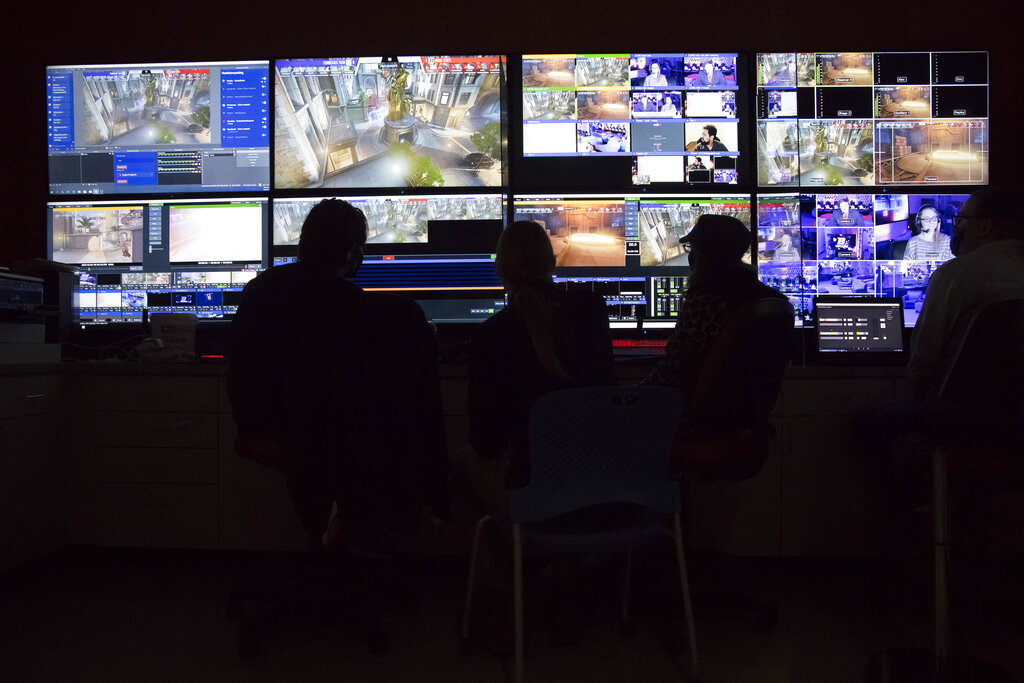
Esports isn’t simply about filling seats — it’s about creating content that fills screens. While live fans bring an undeniable energy to an arena, the majority of the audience watches online. Today’s venues must evolve beyond hosting spectators; they need to function as high-performance media production hubs that deliver broadcast-quality experiences for both in-person attendees and global digital viewers.
The challenge is clear: How does a single venue operate simultaneously as a live performance space, a media production facility and a digital content engine? For venue owners and event managers, mastering the “blended event” is now a critical competitive advantage.
Infrastructure That Supports Both Worlds
Traditional venues prioritize crowd capacity, sight lines and basic acoustics. Esports demands an infrastructure that scales to both physical and digital demands. A venue must be transformed from a stage into a robust production facility capable of creating and publishing rich media content.
Key Infrastructure Considerations:
- High-Capacity Networks: Implementing high-capacity, ultra-low latency fiber networks is essential to support live streaming, multiple camera feeds, and real-time in-game data overlays.
- Redundant Power: Uninterrupted gameplay, broadcast, and lighting rigs rely on reliable, redundant power systems.
- Acoustic Balance: Design must balance crowd noise—essential for live energy—while ensuring clean audio capture for broadcast clarity.
- Flexible Production Spaces: This includes integrating pre-configured media racks, broadcast booths, and modular cabling pathways for efficient setup and tear-down.
- Adaptable Rigging: Flexible lighting and rigging systems must be capable of switching rapidly between immersive stage designs and camera-optimized shots.
This investment makes the venue significantly more attractive to companies seeking reliable, turnkey broadcast solutions.
Venues as Media Production Partners
The role of the venue is shifting from being a simple space provider to a full-scale production partner. Operators must offer expertise, infrastructure, and services that streamline complex event delivery.
Key Operational Priorities:
- Pre-configured Setups: Offering pre-configured broadcast and lighting setups drastically reduces setup time for visiting production teams.
- Cross-Trained Staff: Employing technical staff familiar with the specifics of live streaming, camera operation, and in-arena production is crucial.
- Content Integration Tools: Providing systems that seamlessly merge game feeds, overlays, graphics, and sponsor activations for both live and digital audiences.
- Flexible Scheduling: Utilizing modular spaces to allow simultaneous events, such as local qualifiers or brand activations, alongside major tournaments.
This approach transforms a venue into a repeatable production engine, attracting high-profile tournaments and high-value sponsorships while dramatically reducing operational friction.
Creating Phygital Experiences
The future of esports events is phygital — blending physical and digital experiences to make all audiences feel valued and actively involved.
The fan experience built around the core event is what persuades fans to buy tickets rather than simply watching online.
Examples of Phygital Activations:
- Interactive Camera Zones: Live spectators can appear in online feeds through green-screen setups or AR overlays.
- Digital Leaderboards: Displaying fan leaderboards both in-arena and on streams, connecting physical attendance with online competition.
- Exclusive Content: Offering fans in the arena behind-the-scenes glimpses of the production floor or caster booths, creating a sense of exclusivity.
- Integrated Mobile Apps: Allowing both audiences to vote, predict, or participate in live polls simultaneously.
These touch points turn every attendee — live or digital — into an active participant, boosting engagement, dwell time and brand loyalty.
The Business Case for the Blended Model
Designing for dual audiences provides tangible, measurable business benefits:
- Increased Sponsorship Value: Integrated live and online exposure delivers significantly higher impressions and more diverse packages for brands.
- Maximized ROI: Physical ticketing revenue combined with streaming partnerships and digital ad sales multiplies earning potential per event.
- Expanded Audience Reach: Global viewers mean events are not limited by the venue’s physical seating capacity.
Moreover, phygital engagement strengthens community-building—fans who feel connected online and in person are more likely to return, purchase merchandise and share content, creating a powerful, self-reinforcing ecosystem of engagement.
Future-Proofing the Venue: A Blueprint for Evolution
As entertainment and viewership habits continue to rapidly evolve, the successful implementation of the blended event concept requires venues to integrate advanced production technologies:
- High-Speed, Ultra-Low Latency Network Infrastructure: This is the foundation. Venues must invest in state-of-the-art fiber-optic networks to guarantee the ultra-low latency required for competitive play and the massive bandwidth needed for concurrent streams and data transfer.
- AI-Driven Camera Automation: Implementing sophisticated automation systems ensures optimized, dynamic and professional coverage. These systems track player action and anticipate critical moments, providing the TV-quality product crucial for digital viewers.
- Mixed-Reality (MR) and Augmented Reality (AR) Overlays: These technologies bridge the gap by projecting detailed game stats, sponsor messages and immersive graphical effects directly onto the physical stage, dramatically enhancing both the in-arena spectacle and the remote stream.
- Real-Time Audience Analytics: Employing analytics (e.g., Wi-Fi tracking, social media analysis, in-venue interaction data) allows venue operators to adapt the live experience on the fly—adjusting lighting, volume or tailoring interactive elements to maximize fan engagement.
By committing to these technological advancements, venues secure their position as indispensable, relevant, and profitable hubs for the future of entertainment.


Ben Akroyd is the founder and Gareth Swann is the esports and games industry specialist of Arena Consultancy, which has been working in gaming and esports events for over 25 years helping venues, tournament organizers and games publishers shape the way events are held, to realize higher revenues, and better, more rewarding consumer engagement. We have commercial experience of both delivering esports tournaments as well as working with destinations and venues to help realize commercial opportunities. Arena Consultancy offers an introductory initial free training course at The School of Esports | Arena Consultancy Esports Solutions. Other classes are available for purchase, but a 10 precent discount is available by using the code NSTAR10.
Posted in: Esports, Expert Advice, Perspectives