The Good, the Bad and the Ugly at the 2026 FIFA World Cup So Far
We reflect on the major headlines from the first week of the 2026 FIFA World Cup
Posted On: June 17, 2026 By :Amidst all of the logistical issues, outcry over ticket prices and controversy over travel bans, the 2026 FIFA World Cup is finally underway.
The 23rd edition of the global soccer showpiece, which was awarded to North America back in 2018, was already due to be a milestone event before a ball was even kicked. The first to be staged across three host countries and 16 host cities, as well as being the first to include 48 national teams, it promises to be a World Cup like no other before it.
The 1994 FIFA World Cup was the first to be held in the United States as its sole host nation. Back then, the tournament was on a much smaller scale, with only 24 national teams and nine host cities, but its impact was similarly transformative in delivering the largest attended FIFA World Cup Final in history (at the Rose Bowl in Pasadena) and giving birth to Major League Soccer just two years later.
Now in 2026, here is what has caught the eye of the SportsTravel editorial team so far in the opening week of the tournament — including the good, the bad and the ugly:
The Good
- Fan Atmospheres by Debut Team Fans
Four national teams are making their FIFA World Cup debut in 2026 (Cape Verde, Curaçao, Jordan and Uzbekistan), while many more are making their return to the tournament after long absences, which has created raucous atmospheres inside the World Cup venues so far.
Despite travel bans and visa freezes impacting fans entering the United States, those who can attend matches have put on colorful displays, chanted loudly and enjoyed their moment in the sun supporting their teams, while doing so in good nature too. In the case of Cape Verde and Curaçao, it was helped by the performances of their teams, whether it was the former keeping a clean sheet against 2010 champions Spain or the latter scoring against four-time winners Germany.
Unheralded names have already become unlikely stars since their debut appearances in this year’s competition. Cape Verdean goalkeeper Vozinha‘s heroic performance against Spain in Atlanta led to his Instagram following increasing from 50,000 to more than nine million almost overnight, while New Zealand’s Tim Payne has emerged from near-obscurity to global attention thanks to a spotlight by a famous Argentine influencer.
- Integration of Different Cultures
The World Cup is a unique entity as the largest single-sport event globally that can bring together 48 competing nations and fans from many more countries, whether their teams have qualified for the tournament or not.
Whether it was the police dancing with joyous Scottish fans in Boston, supporters getting their first taste of tailgating at U.S. sports venues or social media fans going crazy over a duck (called Merlin) dressed in a Mexico shirt waddling toward the Azteca Stadium for the opening game in Mexico City, the host nations are beginning to embrace the World Cup and the wackiness that arrives with it.

One celebration that has not gone unnoticed is that of the Norwegian fans, who are experiencing their first men’s World Cup since 1998. Their supporters have quickly become synonymous with a “rowboat” celebration in a nod to their Viking heritage — a celebration that drew parallels with the iconic Icelandic “thunder clap” from Russia in 2018.
- Mixing of Sporting Celebrations in New York
If there was any uncertainty about the passion of fans for soccer in the host countries before the competition got underway, those doubts have now been dispelled.
Nowhere has this been more evident than in New York, where the celebrations of soccer fans have coincided with those of basketball fans marking the New York Knicks’ first NBA title since 1973. The Knicks’ 94–90 victory over the San Antonio Spurs kicked off wild street parties in downtown Manhattan and Times Square, reminding the world that fans of all sports share the same emotions when their teams win.
The Bad
- Hydration Breaks
Hydration or “cooling” breaks have been introduced for the first time at all matches at a FIFA World Cup, allowing players to rehydrate in each half for their own safety amid hot temperatures. While in theory that is a sensible introduction by FIFA, others have interpreted it as a cynical attempt by the organization to further increase its revenues by enabling TV channels to cut to mid-game commercials.
From a sporting angle, hydration breaks are new to players in major soccer leagues around the world (in part due to playing at cooler times of the year), but we have already seen that these breaks can disrupt or even change the flow of matches — especially as managers and coaches have been allowed to issue tactical instructions during these periods.
There is also the sense that this will only alienate hard-core soccer fans. The introduction of cooling periods effectively splits a match into four quarters, like a basketball game, rather than two halves of 45 minutes, which can affect the rhythm of a sport that has fewer goals and relies heavily on decisive moments.
- Stadium Logistics
There were widespread concerns prior to the World Cup that stadiums would be half empty due to the elevated cost of tickets, which are significantly higher than even in Qatar in 2022.
Although the atmospheres inside the venues have been widely lauded, it has not stopped TV audiences from noticing swathes of empty seats at matches, even when demand to attend a FIFA World Cup is at a record high. Viewers have speculated that these empty seats could either have been left unsold, or that the fans sitting in them have been sheltering from the intense sunlight during day matches.
In response to this speculation, FIFA said that “official attendance figures reflect the number of tickets scanned and spectators present within the stadium footprint,” adding that “ticketed fans could be seen standing in concourses rather than staying in their assigned seats throughout the match.”
Other match-going fans have criticized the logistics of traveling to the stadiums via public transportation. The increased prices for trains/transits to and from stadiums (e.g. in New Jersey and Foxborough) have been well documented, but another critical factor is the location of these venues. The majority are situated well outside of city centers, where there is no option to walk directly to the stadiums, and fans have faced huge queues in both directions for public transportation.
- Gianni Infantino’s Air Miles
If you have been studiously watching the World Cup so far as I have, you will surely not have failed to notice how many games FIFA President Gianni Infantino has been attending, despite the significant distances between host cities.
While the figurehead of the World Cup managing organization would be expected to be present where possible, his omnipresence has come under scrutiny for the number of air miles he will be covering at this year’s World Cup.
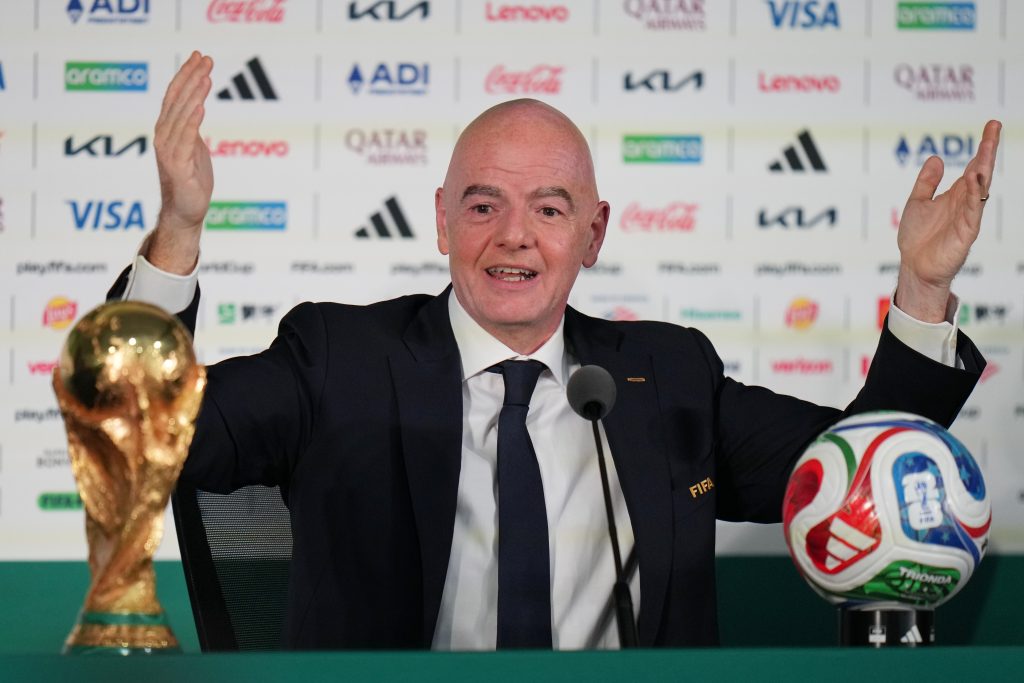
According to The Telegraph, Infantino has a private jet from Qatar Airways on standby, enabling him to attend one or two matches each day during the tournament. The TV cameras picked him out in Mexico City, Guadalajara, Los Angeles, San Francisco, Vancouver and Miami in the opening five days of the competition alone.
If we take into account the matches he has been filmed at and anticipate the flights he will likely have taken (Mexico City-Guadalajara, Guadalajara-Los Angeles, Los Angeles-San Francisco, San Francisco-Vancouver, Vancouver-Miami, Miami-Seattle and Seattle-Los Angeles), we estimate that Infantino will have already clocked up more than 9,000 air miles just between June 11—15. National teams and fans will also be taking similarly long trips, but Curaçao by comparison, is estimated to be covering approximately 6,200 air miles/10,000km as the national team with the longest travel distances between its Florida base camp and matches during the group stage.
The Ugly
- Travel Restrictions and Security Checks
As the first FIFA World Cup to feature a national team at war with one of the competing co-hosts, it was almost inevitable that there would be conflict around travel restrictions this summer.
The Iranian Men’s National Team had already been forced to relocate from its Tucson, Arizona, base camp training site to Tijuana in Mexico because of safety provision concerns, but the roster and staff now have to contend with additional security measures entering and leaving the United States. As per the team’s visa restrictions, they will now be required to enter the country the day before matches and return to Mexico straight after games.
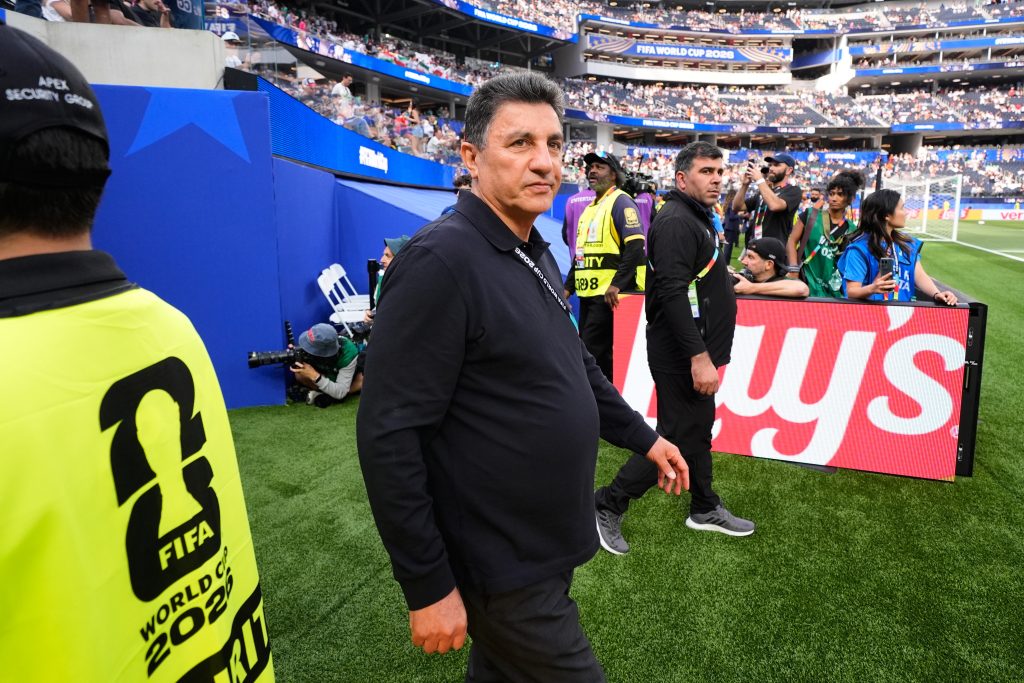
With two games in Los Angeles and one in Seattle, Iran Head Coach Amir Ghalenoei said that his was “the most oppressed team” at the World Cup. His mood would not have improved when player Mehdi Torabi‘s travel visa expired after their Group G opener against New Zealand, but that issue has now been resolved.
Elsewhere, the sight of national team players (e.g. Senegal and Uzbekistan) having their luggage searched on the tarmac at airports after long flights was not a good PR look for FIFA, at a time when the organization says it wants to deliver “the most inclusive World Cup ever.”
- Ticket Prices
It is difficult to fact-check exactly how many tickets are still available for the 2026 edition of the World Cup, but Infantino has reiterated that over 6x million tickets have been sold, reflecting “unprecedented” demand. That contrasts with FIFA’s reported ticket sales of 3.2 million in 2022, 2.8 million in 2018 and 3.1 million in 2014 (when there were 40 fewer matches), but the sentiment that dedicated soccer fans have been priced out of this tournament has not gone away.
This is the first time that FIFA has employed dynamic pricing and launched a Ticket Resale Marketplace for a World Cup, as it aligns prices with demand for similar large sports and entertainment events in the United States. As a result, supporters seeking tickets or last-minute deals have been confronted with escalating and, at times, unregulated ticket prices on third-party resale platforms.
Following an initial backlash against costs, FIFA did introduce a $60 ticket tier for certain matches, although these only equate to less than two percent of each match’s ticket inventory and would have been snapped up quickly.
Fans in attendance at matches have also warned of “price gouging” when it comes to food and beverage/catering offerings inside the stadiums. Screenshots posted on social media from some venues show beers costing $20 and some food items costing upwards of $30.
- Manager Firing
In terms of soccer matters, it is rare for a national team manager to be fired mid-tournament, but that is exactly the fate that befell Tunisia’s Sabri Lamouchi after a heavy 5–1 defeat to Sweden in their opening group-stage fixture. Lamouchi has since been replaced by veteran French Coach Hervé Renard, who masterminded Saudi Arabia’s shock win against eventual champions Argentina in Qatar in 2022.
It underlines the high-level stakes of soccer management at the best of times, and especially in a World Cup environment.
Posted in: 2026 FIFA World Cup, Feature Story, Hosts & Suppliers, Latest News, Main Feature, Sites & Venues, Sponsors & Media