


When fans commit to traveling to an esports event — often crossing borders or spending entire weekends on site — they’re not just buying a ticket to watch competition on a big screen, they’re investing in an experience. For venue operators and event managers, that distinction opens a major opportunity: transforming esports from a one-day spectacle into a multi-day, community-driven destination.
The next generation of esports events will succeed not just on the quality of play, but on how deeply the fan can live inside the world of the game. That means designing venues and event programs that go far beyond the main stage — weaving together play, community, culture, food and commerce into a complete “fan journey.”
Many esports fans see the opportunity to attend a tournament as a spectator as a chance to meet IRL (in real life) with their community. It is a chance to immerse themselves in the game and the culture that they love. This has helped the rise of events such as the world-renowned DreamHack, EGX and the ever-growing popularity of pop culture events such as Pax and MCM Comic Con.
From a venue and destination perspective, knowing the sector can give venues the upper hand when pitching themselves as possible hosts for tournaments. While not all events of this type attract tens of thousands of guests across multiple days, it is worth understanding what the event organizer is looking for. Sometimes pitches can be won and lost by not knowing the culture of the event, where some venues provide solutions “beyond the brief” to indicate they “get” gaming and know what might attract fans and make the event a success.
Designing for More Than the Main Stage
Traditional sports venues were built around one focal point: the pitch, court or rink. The esports sector demands something different. Fans come to watch, but they also come to play, connect and create.
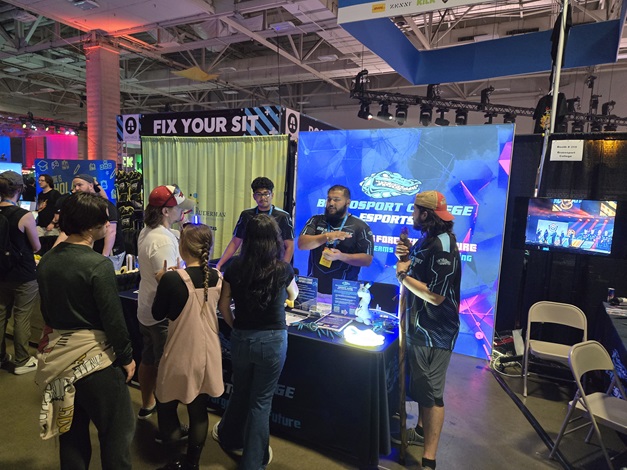
Many forward-thinking venues are now incorporating activations such as:
- Secondary gaming zones: LAN (Local Area Network) setups, or casual play areas where fans can play the featured title (or others) between matches. These spaces are low-cost but high impact, giving fans an active role and increasing dwell time.
- Meet-and-greet zones: Safe, moderated areas for creators, streamers and pro players to interact with fans. Personal access is a defining feature of esports fandom; venues that facilitate it build loyalty that lasts long after the event.
- Esports education and history exhibits: Partnering with publishers or local gaming museums to showcase artifacts, highlight local talent or explain game development can appeal to casual visitors and those looking for a deeper experience.
- Merchandise pop-ups and brand booths: Done well, retail areas can transform a concourse into a marketplace — encouraging discovery and social sharing while driving ancillary spend.
The goal is to fill the time between matches with meaningful engagement rather than downtime. Every corridor and open space becomes part of the fan narrative. This gives fans another reason to purchase tickets and attend the event, rather than watching at home on a stream.
Food, Beverage and Sponsorship as Experience Design
In esports, food and beverage and sponsorship aren’t afterthoughts — they can become activations. Instead of standard concession stands, successful venues are integrating them directly into the fan journey.
Consider Riyadh’s six week Esports World Cup festival, which transformed its food and beverage offering into themed “zones” — each reflecting a different game universe, complete with décor, sound and character appearances. Fans didn’t just buy lunch; they immersed themselves in a branded story.
Similarly, ESL One Cologne has been lauded for blending sponsor presence with fan engagement. Energy drink brands hosted mini-challenges and prize drops in concourse areas, while hardware sponsors offered demo rigs where fans could test the latest peripherals. The effect: Sponsors became part of the entertainment, not just logos on banners.
For venues, these activations do double duty. They deliver incremental revenue streams — food sales, branded installations, merchandise royalties — and they also extend dwell time, increasing overall per-capita spend. Every extra hour a fan stays on site is an opportunity for both engagement and monetization.
The Venue as Community Hub
Esports fandom is fundamentally social and participatory. Unlike traditional sports fans, esports audiences are also players, content creators and community organizers. When designing for them, the venue’s role shifts from “host” to community hub.
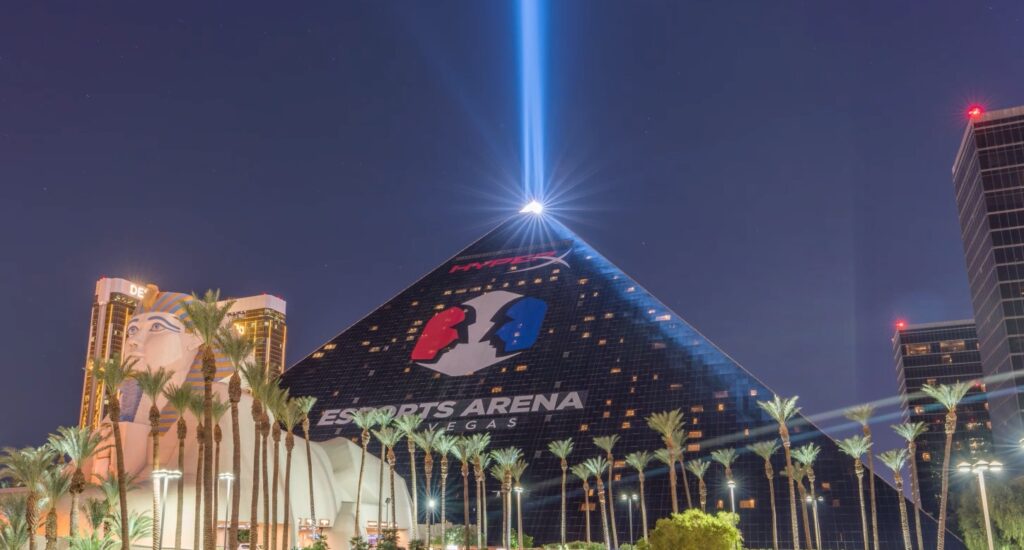
Some of the most forward-thinking venues now position themselves as all-day destinations. Take the HyperX Arena in Las Vegas, which blends a competition stage with permanent gaming pods, broadcast facilities, a bar and casual dining. Open to the public outside of major tournaments, the space is active seven days a week, cultivating local footfall and creating a sustainable business model that doesn’t rely solely on big event weekends.
For venue owners, this shift is crucial. By treating esports as a long-term content ecosystem — not a one-off rental — they can attract repeat bookings, anchor sponsors, and build loyalty within a fast-growing demographic. The infrastructure for esports (network capacity, modular staging, lighting, AV) can be leveraged for community tournaments, education programs, or even game launches during quieter periods.
Creating Value Beyond the Ticket
To justify travel and ticket costs, esports fans need more than a front-row seat — they need a sense of belonging. That emotional connection is built through touchpoints before, during, and after competition day:
- Pre-event fan festivals or local qualifiers that build momentum;
- Digital integrations (AR filters, mobile leaderboards, fan badges) that link online and on-site audiences;
- And post-event content — highlights, interviews, or community meet-ups — that extend the life of the event long after the final match.
For venues, embracing this holistic approach means thinking like experience designers. The same physical space that hosts a grand final can, with modular design and creative programming, become an esports classroom on Monday and a gaming café on Tuesday.
The result? A new type of live entertainment environment: one that’s participatory, profitable and future proof.
Conclusion
The “next generation fan experience” isn’t defined by bigger screens or louder sound systems — it is defined by connection, immersion, and community. For venue owners, destination companies and event managers, esports represents a chance to reimagine what their buildings can be: not just places where spectators watch, but places where fans belong.
As the line between physical and digital worlds continues to blur, the venues that thrive will be those that look beyond the stage — and build environments that keep the game alive long after the final round ends.
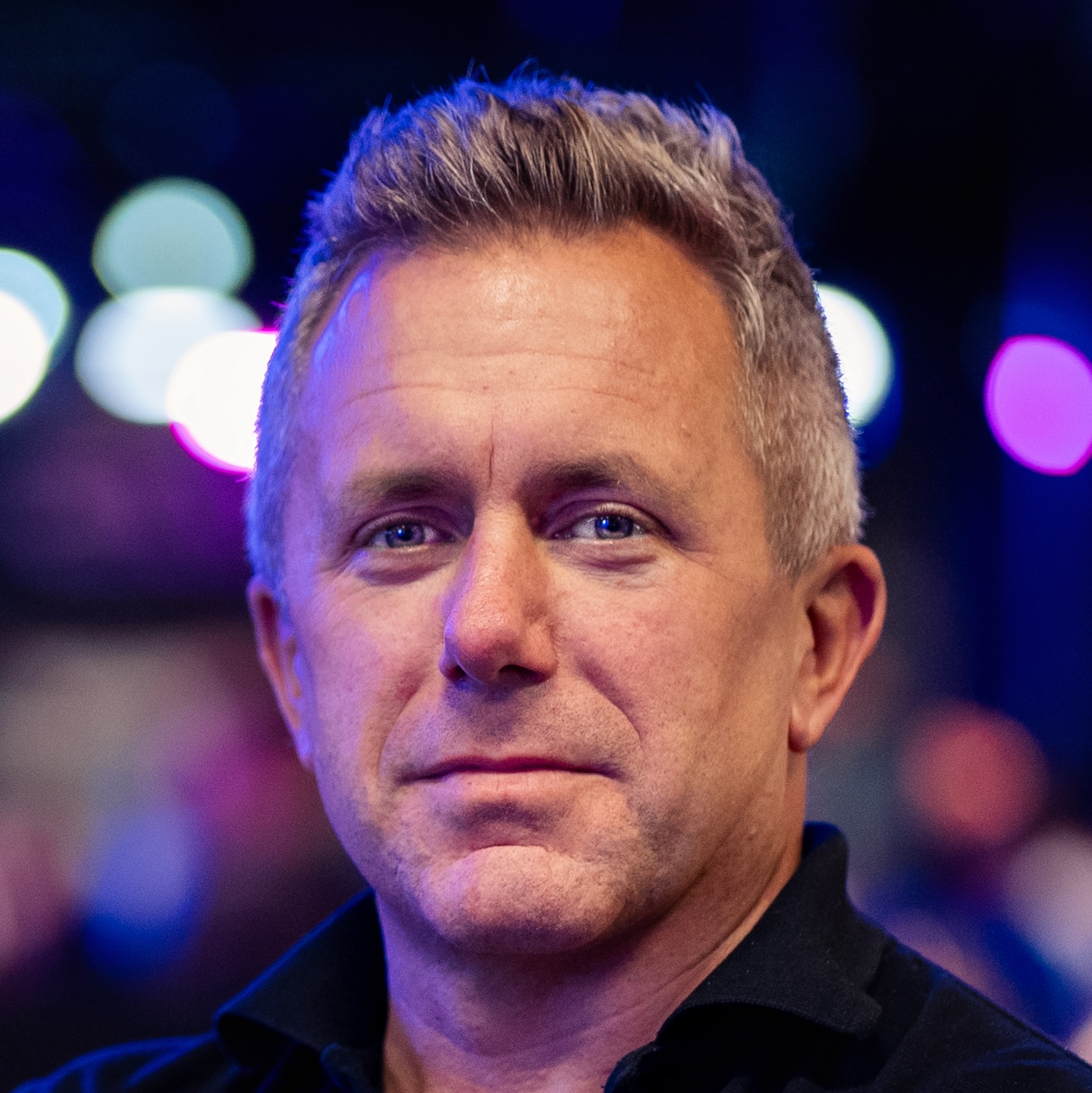

Ben Akroyd is the founder and Gareth Swann is the esports and games industry specialist of Arena Consultancy, which has been working in gaming and esports events for over 25 years helping venues, tournament organizers and games publishers shape the way events are held, to realize higher revenues, and better, more rewarding consumer engagement. We have commercial experience of both delivering esports tournaments as well as working with destinations and venues to help realize commercial opportunities. Arena Consultancy offers an introductory initial free training course at The School of Esports | Arena Consultancy Esports Solutions. Other classes are available for purchase, but a 10 precent discount is available by using the code NSTAR10.










 Copyright © 2026 by Northstar Travel Media LLC. All Rights Reserved. 301 Route 17 N, Suite 1150, Rutherford, NJ 07070 USA | Telephone: (201) 902-2000