

The biggest FIFA World Cup in history is over, and it was, in many ways, the most remarkable in history, one that rewrote the record book: 16 host cities across three countries; 104 matches; 308 goals; and 6,810,966 fans.
Much of that is due, of course, to the competition’s expansion from 32 national teams to 48. That growth was met with criticism in some circles before the tournament, but it not only made for more highlights on the pitch, it also allowed for even more people from more cultures to travel to North America, bringing untold advantages to both the visitors and the hosts.
Of course, this was also a tournament that will be remembered for record-high match ticket prices, tense geopolitical dilemmas and unprecedented logistics in their complexity, as teams traveled to and from base camps and stadiums across Canada, Mexico and the United States.
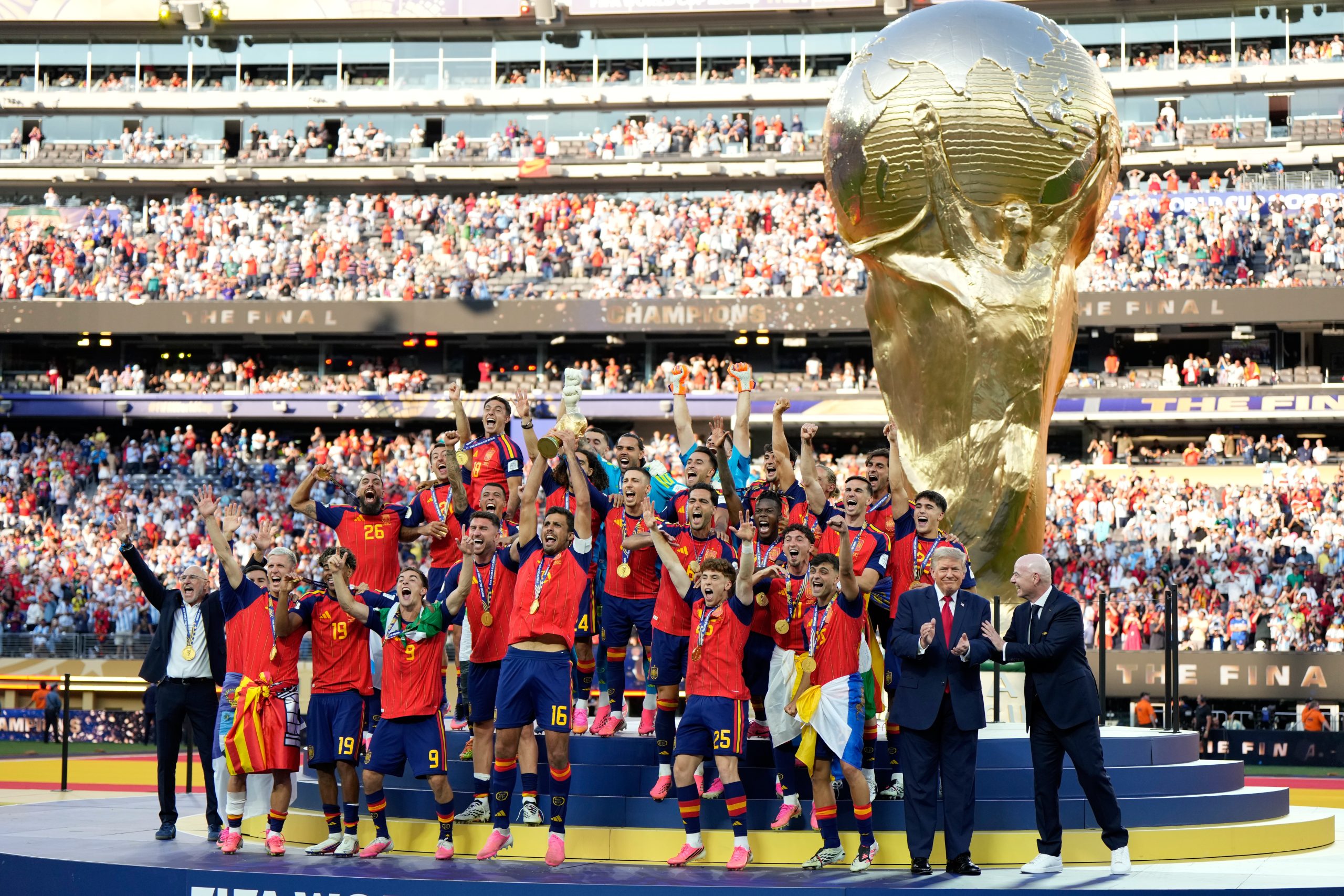
Much of that was forgotten when Spain lifted the trophy after beating Argentina, 1-0, in Sunday’s final. The next World Cup might be even bigger, with perhaps as many as 64 teams, but before moving on from this year’s event, SportsTravel is assessing the moments that defined this FIFA World Cup in all 16 host cities:
Atlanta
Atlanta Stadium was named the number one venue of the tournament by USA Today, Sports Illustrated and The New York Times alike. A key factor behind this was the decision by the Atlantic Host Committee to keep in place its “Fan First” pricing that has become a hallmark of the venue, with $2 sodas, $2 hotdogs, $3 bottles of water and $5 cheeseburgers ensuring affordable concessions for fans throughout the tournament.
But the Stadium was also the site of a slew of memorable matches. It hosted eight games in all, highlighted by the dramatic semifinal between England and Argentina as well as Cape Verde’s 0-0 draw with Spain in the former’s World Cup debut was remarkable, in which goalkeeper Vozinha cemented his place in the competition’s folklore by stonewalling the eventual champions.
RELATED: Atlanta’s World Cup success boosts claim as Championship City, USA
Boston (Foxborough)
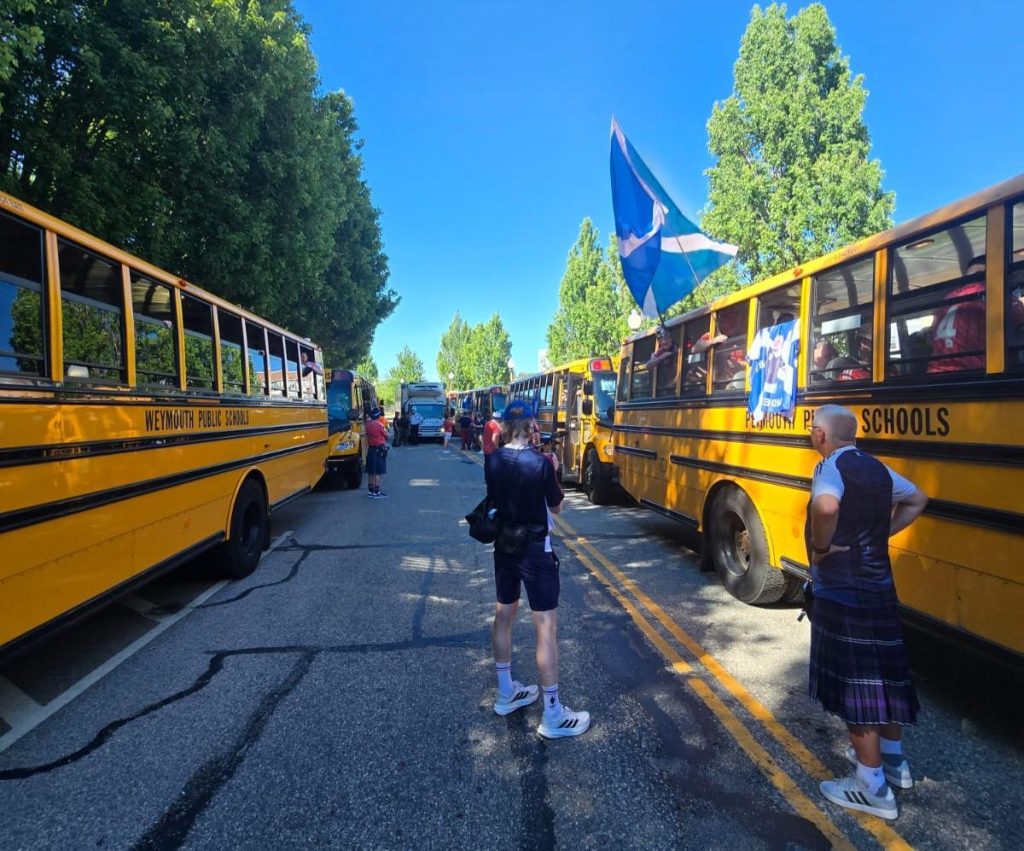
Boston will surely be best remembered for its takeover by Scottish fans, who were celebrating watching their team at their first World Cup finals since 1998. The team may have failed to advance from a group that featured Brazil, Morocco and Haiti, but the Tartan Army were determined to savor the experience.
Nowhere was this more visible than before the opening game against Haiti. A group of volunteers organized a plan to transport Scottish fans on more than 40 yellow school buses from Providence, Rhode Island, to games in Foxborough, Massachusetts, to escape the more expensive public transport costs, and they also raised money for various charities in the process.
RELATED: Traveling with the Tartan Army and their goodwill tour
Dallas (Arlington)
Dallas Stadium hosted the most matches (nine) of any venue at the World Cup, and it didn’t disappoint. From its very first game — a memorable 2-2 draw between the Netherlands and Japan on June 14, through its semifinal between Spain and France exactly one month later, the cavernous home of the Dallas Cowboys proved to be an ideal host for a different kind of football. Among the highlights: Lionel Messi setting a new World Cup scoring record with his 17th all-time goal in the competition during his country’s 2-0 win over Austria in the group stage, though he would later be passed by France’s Kylian Mbappe.
Later on in the tournament, a capacity crowd of 70,649 for the Portugal vs. Spain Round-of-16 match pushed the all-time FIFA World Cup attendance past the 50 million mark.
In all, Dallas showed that everything is bigger in Texas, and as Dallas Sports Commission Executive Director Monica Paul said of the city’s performance, “We couldn’t ask for anything better.”
RELATED: Scenes from four days in Dallas, from the Orange Army to ‘Wonderwall’
Guadalajara
Like Mexico City, Guadalajara became one of two cities to stage the FIFA World Cup on three occasions, with four matches being held at the Guadalajara Stadium in Zapopan.
The venue, which opened back in 2010, welcomed an average of 45,233 across the four games, accounting for 99.1 percent of the stadium’s overall capacity, according to FIFA.
It was also the setting for Mexico’s 1-0 defeat of South Korea, which ensured that the host nation won Group A and progressed to the Round-of-32 with a game to spare.
Houston
Although the scoring charts were dominated by the usual big names, this was a tournament that gave visibility to emerging soccer nations and their colorful fans as a result of the expansion to 48 teams.
NRG Stadium, renamed to Houston Stadium during the World Cup, hosted seven matches this summer involving familiar teams such as Portugal, Brazil and the Netherlands, as well as competition debutants Uzbekistan, Cape Verde and Curaçao.
It was also the stadium where Curaçao scored its first-ever World Cup goal, equalizing against Germany before going on to lose 7-1. Despite the result, the “Blue Wave” made history in front of a crowd of more than 68,000 — almost half of the island nation’s total population of 155,000 inhabitants.
Kansas City
Kansas City was one of the most in-demand destinations for team base camp training sites in preparation for the 2026 FIFA World Cup. Argentina, England, the Netherlands and Algeria all secured temporary homes in or around the city.
In the community, more than 36,000 people filled downtown Kansas City for the Netherlands fans’ iconic fan walk before the team’s 3-1 win vs. Tunisia on June 25. It was the largest fan walk attendance that the team had seen in the United States, according to Visit Kansas City and KC2026, while the match result confirmed the team’s progression to the knockout phase as Group F winners.
Los Angeles (Inglewood)
At approximately $5.5 billion, SoFi Stadium in Inglewood is the most expensive stadium ever built, and it delivered major storylines at this tournament.
Iran played two group-stage matches in Inglewood, securing draws against New Zealand and Egypt but failing to progress any further. The games were especially emotional occasions for the Iranian team, which had been forced to travel in from Tijuana, Mexico, after its base camp had been relocated 415 miles away from Tucson, Arizona, and because of the troubling political backdrop at home.
The stadium also played host to the U.S. Men’s National Team’s opening 4-1 win over Paraguay, which was preceded by an Opening Ceremony featuring showstopper performances from the likes of Katy Perry and Anitta.
RELATED: Tucson laments ‘missed opportunity’ to show Iran a different side of U.S.
Mexico City
Not only did the Azteca Stadium in Mexico City become the first venue to stage matches at three FIFA World Cups, its crowds were the largest at the tournament (over 80,000), with a total attendance of 404,120 across five matches.
The Round-of-16 matchup between Mexico and England was also unprecedented on and off the field.
On the one hand, it was Mexico’s most-watched FIFA World Cup game of the 21st century, with an average audience of 36 million across Televisa and took place after an hour-long weather delay before the start of the match.
On the other, the result was historic for England, which triumphed 3-2, handing Mexico its first loss in a a World Cup match at the Azteca, and just the third ever for El Tri at that venue.
Miami
HardRock Stadium is known for staging major sporting events such as Super Bowls, college football championship games and the Miami Open tennis and Miami Grand Prix Formula One race. In 2026, Miami was home to two unforgettable moments that epitomized the entertainment on show at this World Cup.
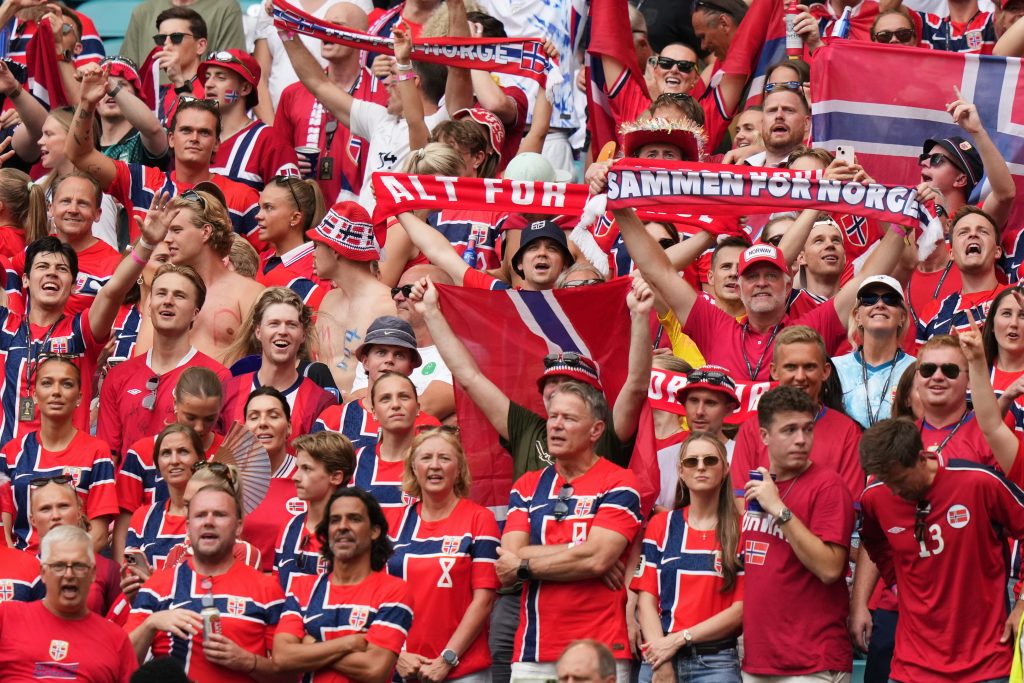
England defeated Norway in a tense quarterfinal, but much of the anticipation surrounded the Norwegians’ iconic “rowboat” celebration both inside and outside of the stadium. One particular celebration video amassed more than 174 million views on TikTok.
Another England game also caused a stir in Miami. The Bronze Final against France saw England claim third place with a swashbuckling 6-4 win — only four World Cup games in history had seen more goals, and it was the highest-scoring game in the competition this century.
Monterrey
Monterrey had the honor of hosting the 1,000th game in the 96-year history of the FIFA World Cup when Japan saw off Tunisia 4-0.
That was one of three sellouts for Monterrey among the four matches it hosted at this summer’s tournament, although early indications around hotel occupancy and economic impact appear to be less favorable than previously anticipated.
Across the three host cities in Mexico, the Mexican Confederation of Chambers of Commerce, Services and Tourism revised economic activity projections of between $3.7 billion and $11.4 billion down to less than $3 billion due to softer hotel demand, fewer business travelers and higher room rates. In Monterrey specifically, the Mexican Hotel Association of Nuevo León reported that hotels had an average occupancy of 60 percent during the match periods, around 5.8 percent lower than this time last year.
New York New Jersey (East Rutherford)
The 2026 FIFA World Cup culminated with a bang in New Jersey as Spain defeated reigning champions Argentina 1-0 in the eighth match of the tournament to be played in the shadow of New York City. The victory gave Spain its second World Cup title and first since 2010, and made La Roja the first team to be both UEFA European champions and FIFA World Cup champions at the same time.
The Final set a new standard for World Cup entertainment, as it became the first to hold a halftime show more familiarly found at the Super Bowl. This one featured performers such as Madonna, Shakira, BTS and Justin Bieber and lasted 27 minutes, which significantly exceeded the common half-time break of 15 minutes.
The game drew 80,663 fans, but ticket prices provoked anger from fans ahead of the Final, with many paying at least $6,000, and the most expensive resale ticket being priced at more than $2 million.
Philadelphia
Philadelphia left its mark on the 2026 FIFA World Cup. It posted the then-largest single-day Fan Festival crowd in the United States and was entrusted with hosting the match that coincided with the United States’ Independence Day and 250th anniversary.
On June 19, the FIFA Fan Festival Philadelphia in East Fairmont Park’s Lemon Hill hosted nearly 55,000 guests to watch the city’s group-stage game between Brazil and Haiti. Philadelphia was also the only U.S. host city with a FIFA Fan Festival open every day of the tournament, from June 11 through July 19.
In the build-up to Paraguay vs. France on July 4, the city, which had been the United States’ original birthplace, laid on spectacular pre-game programming at Philadelphia Stadium. Tony Award winner Idina Menzel sang the U.S. national anthem, while there were also further musical performances and an Air Force flyover.
San Francisco Bay Area (Santa Clara)
Beyond the soccer itself, it is clear that the World Cup has already had a positive impact on local businesses and international tourism for the San Francisco Bay Area. The Bay Area Host Committee had forecasted an economic impact of $480 million to $630 million and the provision of 13,000 jobs before the competition, and more data is expected soon about how much revenue will flow to Santa Clara County.
Having delivered six matches, San Francisco hosted watch parties at locations including Salesforce Park, Pier 39, Mission Rock and outside Chase Center. Furthermore, downtown San Jose’s San Pedro Square welcomed 30,000 attendees for a celebration as Mexico beat Ecuador 2-0 in the Round-of-32.
Meanwhile, San Francisco International Airport also saw a three percent year-on-year increase in screened passengers, according to Spokesperson Doug Yakel, as fans caught insatiable World Cup fever.
Seattle
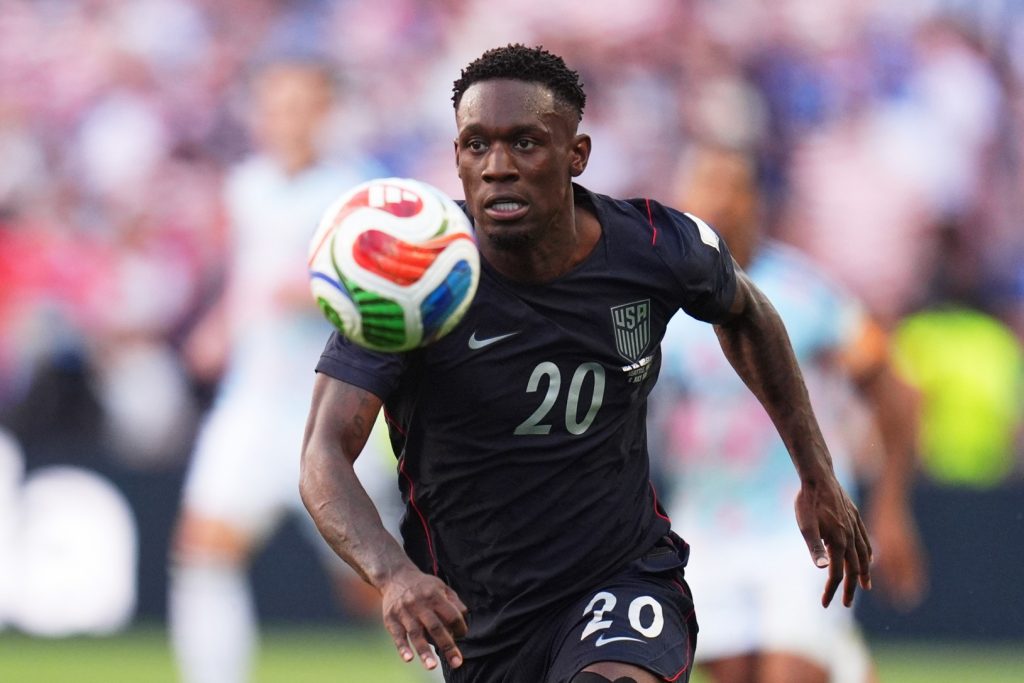
U.S. President Donald Trump‘s intervention in the suspension of USMNT striker Folarin Balogun‘s red card against Bosnia-Herzegovina proved to be one of the most controversial decisions of this World Cup.
After being dismissed following a video review in the team’s 2-0 win over the Bosnians in San Francisco Stadium, Balogun was due to serve a one-game ban for the Round-of-16 clash with Belgium in Seattle. Instead, FIFA announced that the red card for Balogun — the leading scorer for the U.S. at that point — had been suspended for one year (not rescinded) following a call by President Trump to FIFA President Gianni Infantino, and Balogun was allowed to play.
The wide furor around the decision appeared to affect both Balogun and the USMNT, as they were dismantled 4-1 by Belgium. It was a dispiriting finish for what had been a thrilling run to that point by the U.S., which won its group stage for only the third time.
Toronto
Toronto’s BMO Field had its capacity increased by 17,000 temporary seats ahead of the World Cup to meet FIFA’s minimum 45,000-seat stadium regulations. The result was venue-record crowds of more than 44,000, plus an enhanced fan experience with new videoboards, improved audio systems and expanded hospitality spaces across the six matches hosted in the capital of Ontario.
On the field, the stadium witnessed a notable moment of contention in the Round-of-32 match between Portugal and Croatia. The Croatians were eliminated when a last-minute equalizer was ruled out for offside due to a minimal touch detected by the “snickometer” connected ball technology.
Vancouver
Having hosted the final of the Women’s World Cup in 2015, Vancouver was the destination for a historic moment in Canada’s Men’s National Team’s history in 2026 — the national team’s first win at a Men’s FIFA World Cup.
Following a 1-1 draw with Bosnia-Herzegovina in its opening game in Toronto, Canada brushed aside Qatar 6-0 with three goals from star striker Jonathan David. The win was partly overshadowed, however, by a serious injury to midfielder Ismaël Koné, and red cards being shown to two Qatari players in the same game.










 Copyright © 2026 by Northstar Travel Media LLC. All Rights Reserved. 301 Route 17 N, Suite 1150, Rutherford, NJ 07070 USA | Telephone: (201) 902-2000